






Transport Reliability in Northern Thailand: How Trips Actually Stay On Track
The Insight
Trips fail less because of distance, and more because of weak links. Transport reliability depends on how each small link behaves under stress.
The Principle
Any transport route is a chain of interlocking systems. Vehicles, drivers, roads, apps, fuel, weather, and local habits all interact. Reliability appears when their incentives align, and risk sits with the right party.
In practice, this is just risk shifting. A van operator can squeeze timetable buffers, push drivers harder, and hope the road and weather cooperate. The cost then falls on delayed travelers, stressed drivers, and sometimes roadside mechanics.
When every link does this, the whole line feels unreliable. Each actor made a small, rational choice, but the chain became fragile.
The Local Reality
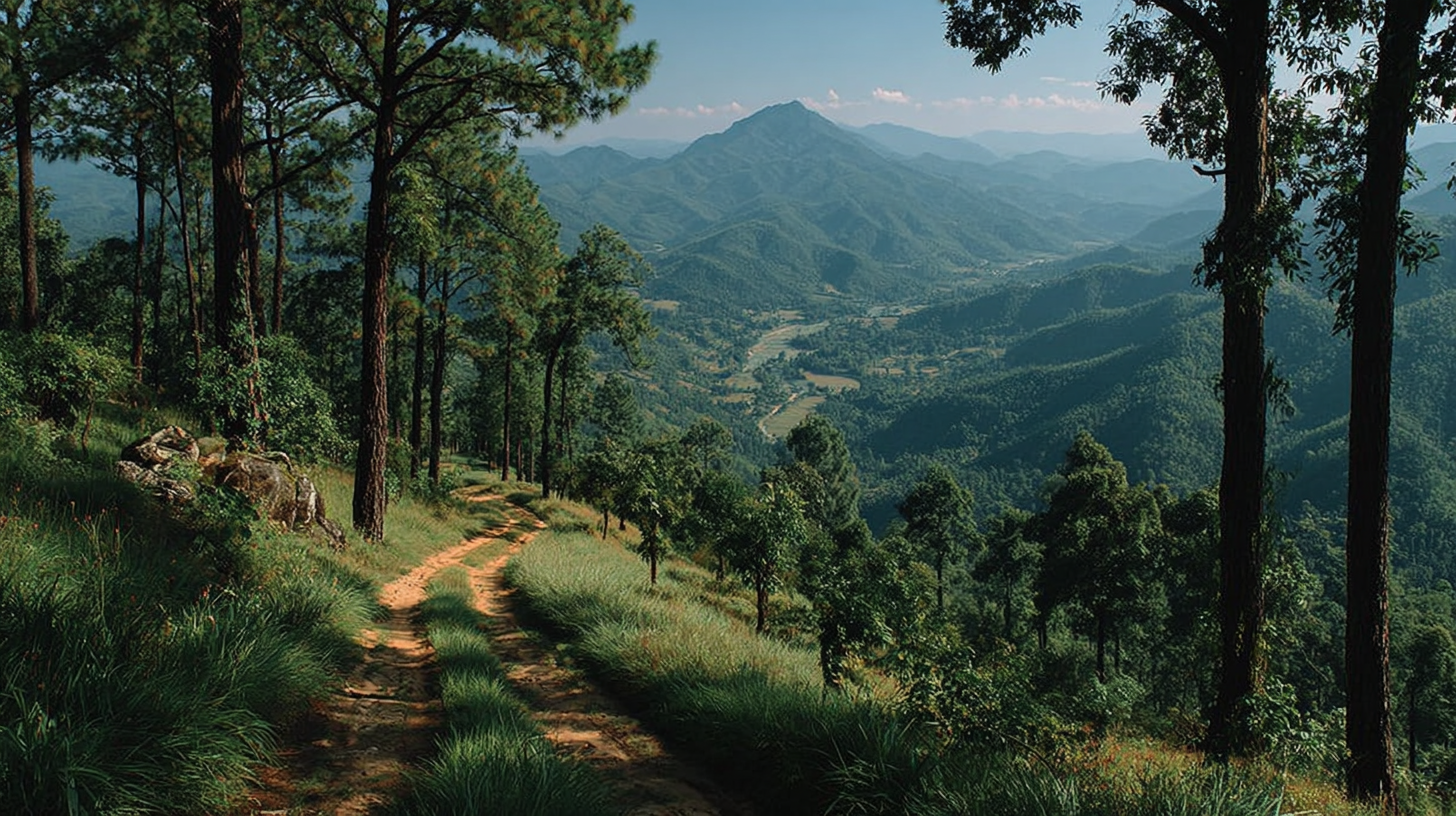
In Northern Thailand, reliability is shaped by three simple forces. Geography, season, and pricing structures. The mountains around Pai, Mae Hong Son, and Chiang Dao punish speed and reward patience.
The curves are tight, the grades are steep, and landslides are real in the wet season. Season then adds its own pressure. From May to October, heavy rain can wash mud onto roads or trigger small landslides.
Travel times stretch quietly. A three hour route can become four, without any headline accident. From February to April, smoke season can reduce visibility and increase driver fatigue.
Nothing looks dramatic, but reliability slips around the edges. Pricing then shapes daily behavior. Many vans and buses run on thin margins.
If the ticket stays cheap and fuel rises, something else must flex. Often that means tighter turnarounds, less preventive maintenance, and fewer spare vehicles in reserve. The system works on normal days, then breaks sharply under pressure.
Where Reliability Usually Breaks
When trips in the north fail, it is rarely one big surprise. It is usually several small factors lining up. You can think about four recurring weak spots.
- Time buffers that are too tight between connections.
- Last mile gaps from station to guesthouse.
- Over reliance on single online platforms.
- Ignoring seasonal patterns on mountain roads.
Time buffers break first. Many visitors plan 30 minute gaps between van arrivals and flight departures. On a flat highway system, that might work, but Route 1095 in wet season is different.
One minor slide, one slow truck, or one police checkpoint can erase that margin. Last mile gaps then turn delays into stress. Chiang Mai Arcade Bus Station is not next to the Old City.
Pai bus station is not next to every hillside bungalow. If you arrive late and there is a rainstorm, songthaews thin out and drivers go home. You are left bargaining when your options are weakest.
Platform risk sits quietly in the background. When you book everything through one large OTA, you inherit its priorities. Seats may be overblocked, supplier details can be thin, and support may be slow or remote.
The operator might feel more accountable to the platform rating system than to clear communication on the ground. Seasonal patterns add another layer. Smoke, rain, or festival traffic do not care about your booking confirmation email.
Many planning tools treat every month as the same. Reliability drops when planning tools abstract away hills, holidays, and harvests.
The Human Moment
A familiar scene plays out in Chiang Mai Arcade. A van from Pai pulls in 25 minutes late in the rainy season. A traveler runs through the station, backpack half open, searching for a Grab car to the airport.
The app shows a 10 minute wait, then the driver cancels. Another car appears, but traffic on the Superhighway is heavy after a downpour. The traveler misses the flight by eight minutes.
Every actor made rational choices. The van slowed on wet curves. The Grab driver declined a low fare in bad traffic.
The airline closed the gate on schedule. The traveler had trusted listed durations and underweighted mountain weather. No one was irrational, the system was just fragile.
The next day, another person took the same van. They left one departure earlier, walked straight to a red songthaew, and reached the airport with 50 minutes to spare.
Same road, same distance. The difference was slack in the plan, not luck.
How Reliability Actually Gets Built
Reliability in Northern Thailand does not start with apps. It starts with relationships and slack. Local guides and drivers remember which routes flood and which corners collect gravel.
They know which festivals clog which roads. They build habits around those memories. Leave earlier on Fridays, avoid certain shortcuts in the rain, keep one vehicle idle as backup when a harvest is on.
A reliable system usually shows three patterns. Operators keep modest time buffers that match real road conditions, not optimistic averages. They communicate delays early and directly, so travelers can adjust.
They also spread revenue fairly enough that no link is pushed into unsafe behavior just to survive. You can see this in some small village transfers near Chiang Dao. One driver group rotates shifts and shares a Line group with a few guesthouses.
They keep one pickup available during busy weekends. If one vehicle breaks, someone else covers. Margins stay modest, but they treat continuity as an asset.
The trip feels boring. In transport systems, boring usually signals reliability.
The Waykeeper Angle
Waykeeper sits between visitors and local operators, not above them. Reliability work looks different from standard platforms. It is not about promising on time in a banner.
It is about mapping real world friction, then reducing it step by step. That might mean asking a van partner in Pai for their actual wet season timing, instead of copying a dry season schedule. It might mean adding a clear note that the three hour van to Chiang Mai often stretches to 3.5 or four hours in August.
It might also mean recommending that guests pair certain village stays with specific transfer windows, not just any bus on the route. It can mean refusing some combinations. For example, not pairing a late afternoon Mae Hong Son departure with a tight evening international flight.
It looks less convenient on paper. It respects how mountain roads, small depots, and real drivers behave. In system terms, the goal is to move trips from fragile to robust.
Fragile plans collapse when one element moves. Robust plans accept movement and still hold shape. The tools are modest, but consistent.
Honest timings, built in buffers, season aware routing, and direct contact with the people actually driving the roads.
Practical Patterns For Travelers
You do not need transport theory to get a reliable trip. A few simple patterns match how the north actually works.
- Add at least one extra hour for any mountain segment in rainy season.
- Avoid last van connections to same day flights from Chiang Mai.
- Secure the last mile from station to stay before you travel.
- Keep one backup route in mind, even if you never use it.
For Pai to Chiang Mai, think of four hours, not three. For Chiang Rai to Chiang Mai in wet season, treat the listed bus time as a minimum, not a guarantee. If your trip involves local songthaews, remember that they thin out in heavy rain, late night, and during some festivals.
For villages near Chiang Dao or Mae Kampong, ask how locals reach the nearest highway on a bad day. Their default answer is your reliability baseline. If they say that they wait for the rain to ease, then your timing will stretch too.
Plan like a farmer, not like a flight schedule. Farmers respect weather and slack. Transport in the mountains behaves more like fields than like airports.
The Closing Line
Reliable travel is designed, not wished, and slack is the core design choice.
Transport reliability is a design problem, not a mood swing. Stress feels personal, but the same few system failures repeat across routes and days.
The core principle is simple, fragile plans break faster than uncertain roads. In physics, a stiff beam snaps under shock, while a flexible one bends and resets. In transport, slack does the same job as flexibility.
Northern Thailand has high uncertainty compared with flat, temperate regions. Mountain roads, sudden storms, and temple events pull on the timetable. Fragility appears when itineraries stack segments tightly or when best case times are sold as norms.
From an economics view, transport is coordination under incomplete information. Each actor sees a slice of reality. The driver sees the road and sky, the platform sees bookings and reviews, the traveler sees prices and an arrival time.
Outcomes depend on how these slices connect. Shared, honest information reduces the cost of shocks. Distorted or siloed information multiplies that cost.
Take a blocked road near Pai after heavy rain. One village driver sends a short Line message to a coordinator about the landslide. Pickups shift by thirty minutes, guests stop for coffee instead of waiting in the van, and the day mostly holds.
On the same day, another driver on the same road has no channel. He reaches the blockage, turns around, and only then calls the guesthouse. Every traveler learns of the problem at a different time. The landslide is the same, the coordination damage is not.
Pricing choices slowly steer reliability. If buyers always click the cheapest van, regardless of track record, operators read that signal. Cut maintenance, stretch drivers, squeeze buffers, and pray the van holds.
If a share of travelers pay slightly more for realistic schedules and honest delays, a different loop forms. That extra margin can fund spare vehicles, proper service intervals, and driver rotation. Over a season, the more fragile models shed customers after visible failures, while the boring ones keep steady flows.
On Chiang Mai to Pai routes, you can see both models side by side. One operator advertises tight arrival promises and runs vans on thin margins. Drivers skip rest stops, push speed before dark, and hope both road and machine cooperate.
Another operator keeps an older but well maintained fleet and accepts one buffer stop each way. They target stable daily trips instead of the maximum possible count. Rides may take a little longer, but over months they show fewer breakdowns and shaken guests.
Travelers can read these incentives from the outside. Clear delay messages, modest claims about speed, and visible maintenance are strong signals. Perfect on time promises, low prices, and long mountain runs together are a quiet alarm.
Edge days expose system design most clearly. The first day after Songkran, the first true monsoon storm, or the last weekend before term starts all bring abnormal traffic. Treating those days like an average Tuesday mis-prices risk.
Local behavior reveals the correction. Many residents travel earlier in the morning, pick less popular departure times, or wait a day. They accept slower movement as part of the trade.
Waykeeper works with partners who already track these patterns. Guides and drivers know which bends on Route 1095 cause frequent minor crashes after light rain. They know which village roads near Mae Hong Son turn to mud first, and which operators keep talking when things go wrong.
Waykeeper uses that local memory to shape recommended plans. Route and season pairings guide buffer choices, vehicle types, and pickup windows. Over time, this mapping trades generic promises for pattern based reliability.
In practice, Northern Thailand reliability depends more on aligned incentives than on new apps. When driver safety, guest timing, and operator margins support each other, the network holds. When one side absorbs most of the risk, cracks appear fast.
Trips that leave margin for mountains, festivals, and storms usually feel calmer. They might leave earlier, stop once more, or cost slightly more per seat. In transport, slack is not waste, it is the quiet core of reliability.

Related blogs
Lorem ipsum dolor sit amet consectetur. Adipiscing eget risus tempus facilisis scelerisque vitae consectetur vitae. Amet faucibus venenatis donec mattis.



Pai District,
Mae Hong Son Province
58130, Thailand


