



Stillness In Northern Thailand: How To Actually Slow Down
Stillness is not an escape, it is a way of meeting what is here.
I learned this slowly, not from teachers, but from watching my own breath.
In Pang Mapha, the lesson returns each morning, as regular as the first light.
---
Morning without hurry
The village is quiet before the roosters start, like a held breath.
At that hour, I sit outside the house, feet on the cool wooden floor.
Cold air touches the tip of the nose, then the chest warms as I inhale.
I follow that small path, air in and out, and the mind softens a little.
Old farmers here wake early, not for productivity, but to move with the cool.
Their rhythm is simple, body first, thoughts second, and this also teaches stillness.
One elder once told me, "If I hurry before the sun, my heart complains all day."
His words were plain, but they landed deeper than any meditation quote.
---
The principle of less
Stillness begins when one thing is done at a time.
Attention gathers, like water in a small bowl, instead of spilling everywhere.
Science might talk about nervous systems, about stress and rest cycles.
Here, we talk about how a person looks when they listen fully, without reaching for the phone.
In Pang Mapha, the signal is weak, and sometimes gone for days in the rains.
People complain at first, then fall back into older habits, face to face, hand to hand.
I watch visiting guests in the first hour without reception.
Their shoulders are tight, fingers brushing pockets, like a breath held too long.
By the second day, their steps slow as if the ground has thickened.
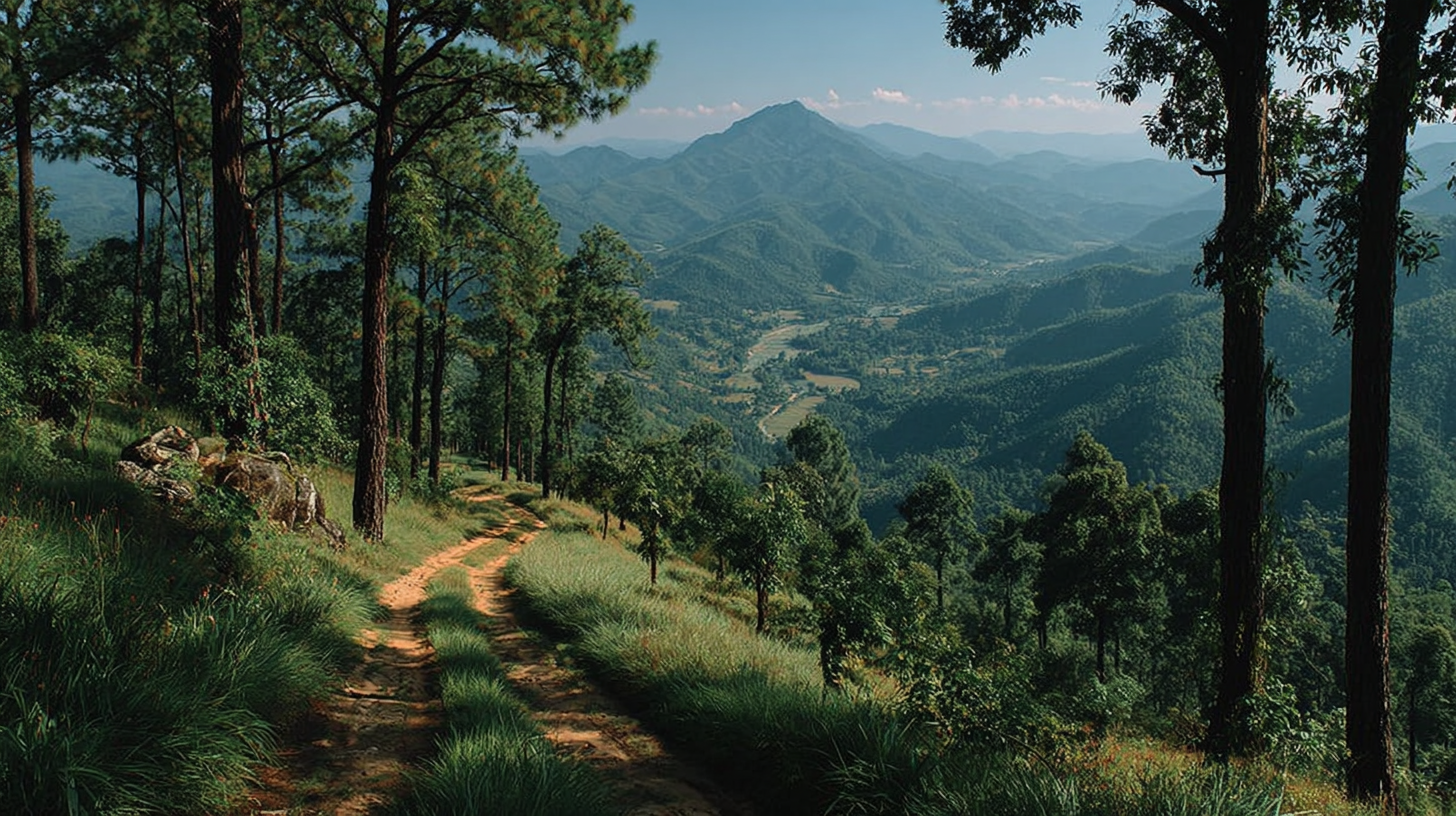
Eyes lift more often to the horizon line of the limestone hills.
---
A room, a mat, a small circle
During retreats, our practice room is simple, wood floor and open windows.
No incense, no soundtracks, only mats, cushions, and sometimes the soft hum of a fan.
I ask people to lie down and feel one breath without changing it.
At first, they try to fix it, deepen it, improve it, like a small project.
This is where stillness is misunderstood, as something we must perform well.
In truth, it is usually an undoing, a gentle stepping back from constant fixing.
Sometimes a guest will open their eyes and say, "I feel nothing, is it working?"
I answer, "Feeling nothing is also a feeling," and we leave it there.
There is a quiet respect in not rushing to explain every sensation.
Stillness grows in that shared silence, like cloth slowly soaking water.
---
Local time, not clock time
Here, most people still speak in weather time, not tight schedules.
They will say, "After the rain," or "When the sun is lower," and trust that enough.
It can frustrate visitors who want fixed times, clear agendas, guaranteed outputs.
But the valley does not arrange herself around one person’s plan.
A guide I know in Ban Jabo will cancel a trek if the soil is too slick.
Not to disappoint, but to keep bodies whole, and the forest path respected.
At first, guests protest, they have flown far and planned carefully.
Later, many say the slow tea in his kitchen was the part they remember most.
Stillness, in these moments, is simply accepting the pace of what is real.
No spiritual words, just a shared agreement to move when conditions agree.
---
The small human truths
Stillness is very ordinary when you see it up close.
A grandmother shelling beans in front of her house, not looking at the time.
A mechanic in Soppong, pausing between motorbikes to drink water in the shade.
He stares at nothing in particular, breath deep, shoulders dropped, jaw soft.
These are not "practices," they are pauses that keep a day human.
In their simplicity, there is a kind of grounded dignity.
In group circles, I sometimes invite people to remember such ordinary pauses.
A bus ride where they stared out the window, a shower where they lost track of thought.
Faces soften as they recall, as if the body remembers rest more easily than the mind.
This is stillness too, not exotic, just briefly being where you already are.
---
When stillness feels unsafe
Not everyone likes quiet at first.
For some, silence makes old thoughts grow louder, and the body tightens.
I think of a woman from Bangkok who joined a rain season retreat.
The sound of long, heavy rainfall made her restless, like something pressing down.
She told me that at home, she always slept with a screen on.
Silence reminded her of nights as a child when arguments stopped suddenly.
For her, stillness began not with closing eyes, but with walking slowly.
Breath matched to footsteps on the village road, one, two, three, four.
We would pass the same houses, the same barking dog, the same bamboo fence.
The repetition built a kind of safety, until quiet felt less like a threat.
Stillness is not always soft at first, sometimes it brushes against old edges.
Respecting that is also part of the practice, not forcing peace where there is none yet.
---
Breath as a nearby path
Breath is always close, steady or rough, but never fully gone.
This makes it a reliable doorway, especially when minds feel scattered.
In group sessions, I often say, "Do not improve it, just meet it."
People are surprised by how hard it is to simply allow.
It is like watching a river and resisting the urge to redirect it.
The habit to manage, to optimize, runs deep, especially in those who travel with tight plans.
In Pang Mapha, many of the older generation breathe more from the belly.
Not because they studied, but because years of field work shaped their bodies that way.
I sometimes invite guests to place a hand on a farmer’s belly as he laughs.
They feel the whole torso move, no separation between breath and life.
There is a quiet lesson in that single shared gesture.
Stillness is not in the head, it lives in the whole body’s rhythm.
---
Shared stillness, shared ground
Something shifts when people are quiet together without trying to impress.
A group in a sala at dusk, only the low buzz of conversation from nearby homes.
No one is performing calm, which makes the space honest.
Some fidget, some sit straight, some lean back, all are allowed.
I remember one evening at a small temple outside Soppong.
Villagers and travelers sat side by side, listening to a monk speak simply about kindness.
I did not remember every word, but I remember the feeling of many bodies breathing in one room.
There was no pressure to look enlightened, only to be present.
Stillness here was not a personal achievement, but a shared atmosphere.
Like air in a room, owned by no one, held by everyone.
---
Old rhythms, current lives
The tags "atypical, normal, old" could describe this valley.
Life here is changing, but some patterns of pace remain steady.
You see smartphones in hands, but also long pauses on wooden steps.
People check messages, then lean back and watch the sky line.
Stillness is not in conflict with modern life, it just asks for a place at the table.
A cup of tea without a screen, a walk taken without recording it.
My own practice is not perfect, I still rush, still worry, still plan too much.
But the land here, and the people, keep inviting me back to slower rhythms.
In this mix of motorbikes and roosters, of wifi and long talks by candlelight, a question keeps returning.
How little is needed for us to feel present where we are.
---
A quiet closing
Stillness is not an absence, it is a kind of full attention.
It lets the smallest details of a day come forward, without being pushed.
Whether on a bamboo floor in Pang Mapha, or in a small city room, the principle holds.
One breath at a time, one act at a time, one honest pause.
The outer journey may cross borders and time zones.
The inner journey only asks if we are actually here for it.
In the end, the place is less important than the way we meet it.
Stillness is simply what happens when we finally stop stepping away from this moment.
Related blogs
Lorem ipsum dolor sit amet consectetur. Adipiscing eget risus tempus facilisis scelerisque vitae consectetur vitae. Amet faucibus venenatis donec mattis.


Pai District,
Mae Hong Son Province
58130, Thailand


